Preparation
A few sessions in the weeks beforehand. Some of it is orientation — what the medicine tends to do, how you will ask for a hand or for quiet — but most of it is building trust with the people who will be sitting with you.
Carlton, Melbourne · Telehealth Australia-wide · Six days a week
(+61) 0480 706 922 (SMS ok)
Education — medicine-assisted therapy in Australia
Since 2023, a small number of authorised psychiatrists here have been able to prescribe psilocybin or MDMA as part of a course of therapy. This page is a plain explanation of what that involves and where we fit. If it sounds like it might be relevant to you, tell us privately and we will talk it through.

This page is information, not an offer of treatment. These medicines can't lawfully be advertised to the public in Australia, so you won't find a price here and there is nothing to book. Whether treatment is lawful and right for one particular person is decided by an authorised psychiatrist, at a full assessment — not by a website.
What it involves
The dose gets the attention, understandably. But in the trials this field is built on it sat inside a course of psychotherapy — hours of preparation before, hours of integration after, with the same clinicians either side. That is why the Royal Australian and New Zealand College of Psychiatrists treats the therapy as fundamental rather than an add-on. A course runs across several months, in three parts.
A few sessions in the weeks beforehand. Some of it is orientation — what the medicine tends to do, how you will ask for a hand or for quiet — but most of it is building trust with the people who will be sitting with you.
A day, not an appointment. Health checks, the medicine given by the psychiatrist, then six to eight hours in a private room with your team there the whole time. You cannot drive afterwards, so someone you trust collects you.
Therapy in the days and weeks afterwards, starting while it is all still fresh. This is where an experience turns into something that changes things, or doesn't.
The legal side
Yes, inside a narrow frame. On 1 July 2023, MDMA and psilocybin became available to authorised prescribers in Australia for two named conditions. Three things have to hold at once.
Psilocybin for treatment-resistant depression, MDMA for PTSD. Not for anything else.
Only a psychiatrist the TGA has authorised, working to a protocol an ethics committee has approved. Your GP cannot prescribe it.
The framework assumes the established treatments have been tried properly first, and screening is careful.
The evidence
Sometimes, and not always. The trials behind both medicines showed meaningful improvement for a lot of participants against control conditions. Those trials were small and few, follow-up was short, and reviewers rate the certainty of the evidence as low. Some people didn't improve, and a small number got worse.
Real potential, real risk, and no clinician can tell you what your outcome will be. Anyone who does is guessing.
Our part
We are the therapy side of it — preparation, the therapist beside you on a dosing day, integration afterwards. Prescribing and medical safety sit with the authorised psychiatrist, which is where they belong.
Our consulting psychiatrist is Dr Joe Starke, a RANZCP Fellow who has worked in this field since before it was legal here. Our Carlton practice is recorded with the TGA as a treatment site under an authorised prescriber's ethics-approved protocol, and Meg Wilson is an approved member of that therapy team. Nicki Nelis is also trained in psychedelic-assisted therapy.
Most people who ask us about this are already in therapy here, and the therapist they trust is the one who would be beside them. If the assessment says no — which happens — your therapy carries on as it was.
A retreat, a ceremony, a night that went further than planned. Making sense of it afterwards is ordinary therapy — no assessment, no framework, and you don't need to be pursuing anything else to ask for it.
Suitability
Broadly speaking, this is where the door tends to open and where it tends not to. Neither list is a test you can pass — suitability comes out of assessment and clinical judgement.
Being declined isn't a dead end. It means a different plan, and that is a conversation we have with you either way.
Money
It is expensive — an assessment, preparation, full days of supervised dosing with two clinicians in the room, and integration afterwards. There is no Medicare item for the program and private cover is thin, though a GP referral may attract a rebate on the assessment.
We don't publish a figure, partly because the plan differs per person and partly because we're not permitted to advertise this. You get an itemised quote before you agree to anything.
A retreat overseas, or a friend of a friend, can look like the practical option. Outside this pathway, though, there is no screening, no known dose, no emergency equipment nearby, and usually nobody to help when something surfaces a fortnight later.
Talk to us before you book anything. We would rather have an honest conversation about your options — including the ones we have no part in.
Next steps
Three steps, and you can stop at any of them. Referrals, tests and timing get worked through with you one thing at a time, later — not handed over as a list.
A short private form, or an email if you would rather. Not a booking, and it commits you to nothing.
Usually within a business day, and we send you our information pack so you can read the detail at home.
If it looks like it might be relevant, the psychiatrist assesses you and decides. An assessment is not an approval, and not everyone proceeds.
Both also do ordinary therapy — trauma, depression, the middle of a hard year.
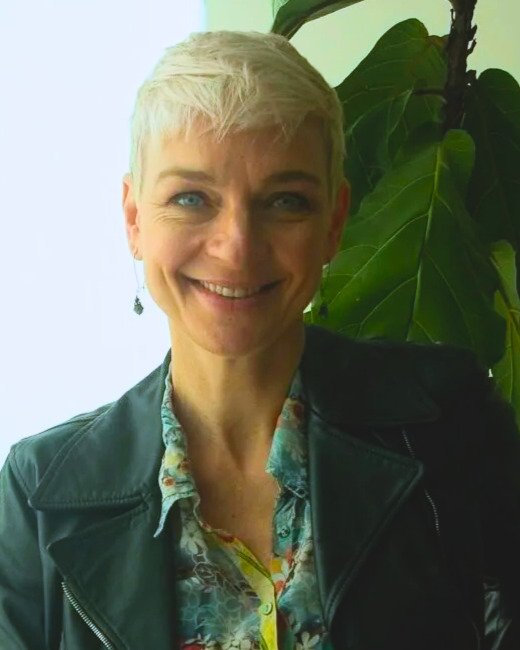
Counsellor · she/her
Nicki is a Gestalt therapist with nearly 20 years of experience helping young people and adults navigate life's complex transitions. She provides a warm, relational space to explore identity, self-esteem, grief, and relationship patterns.
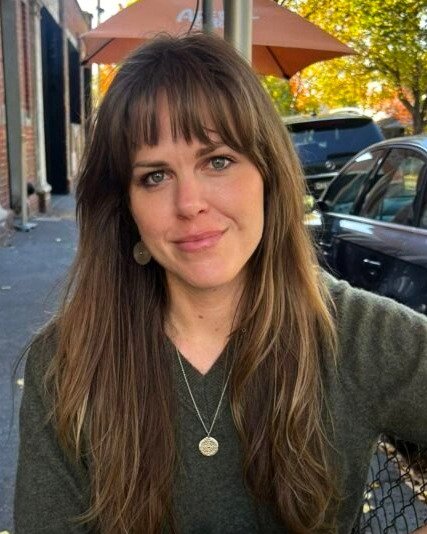
Founder, Psychotherapist · she/her
Meg is the founder and lead psychotherapist for Unison. For over a decade, she has integrated clinical psychotherapy with creative art therapies and systemic relationship models, with a special focus on non-typical relationship structures.
Further reading
The long version — what these therapies are and how access works here.
ReadWhy the therapy either side of the dose is where the work happens.
ReadMeg in conversation about integration outside a clinical setting.
ReadRegister your interest and a clinician will get in touch for a private conversation. No obligation — and "no, but here is what we would suggest instead" is a real answer.
Or write to us directly: contact@unisonmentalhealth.com.
If things are bad right now, don't wait on a pathway that takes months. Call 000 in an emergency, Lifeline on 13 11 14, or the Suicide Call Back Service on 1300 659 467. Our crisis and support lines page has more.